Way to Mt. Kailash
Walking, solitude, the breath, seeing the mountain — pages 36-41
“It is the breath I need to understand—not the mountain.”
Meeting of Three Paths
As I left Yalbang, the Guru’s words still echoed within me: “The way out is the way in.”
My feet moved toward Kailash, but something inside had already turned inward.
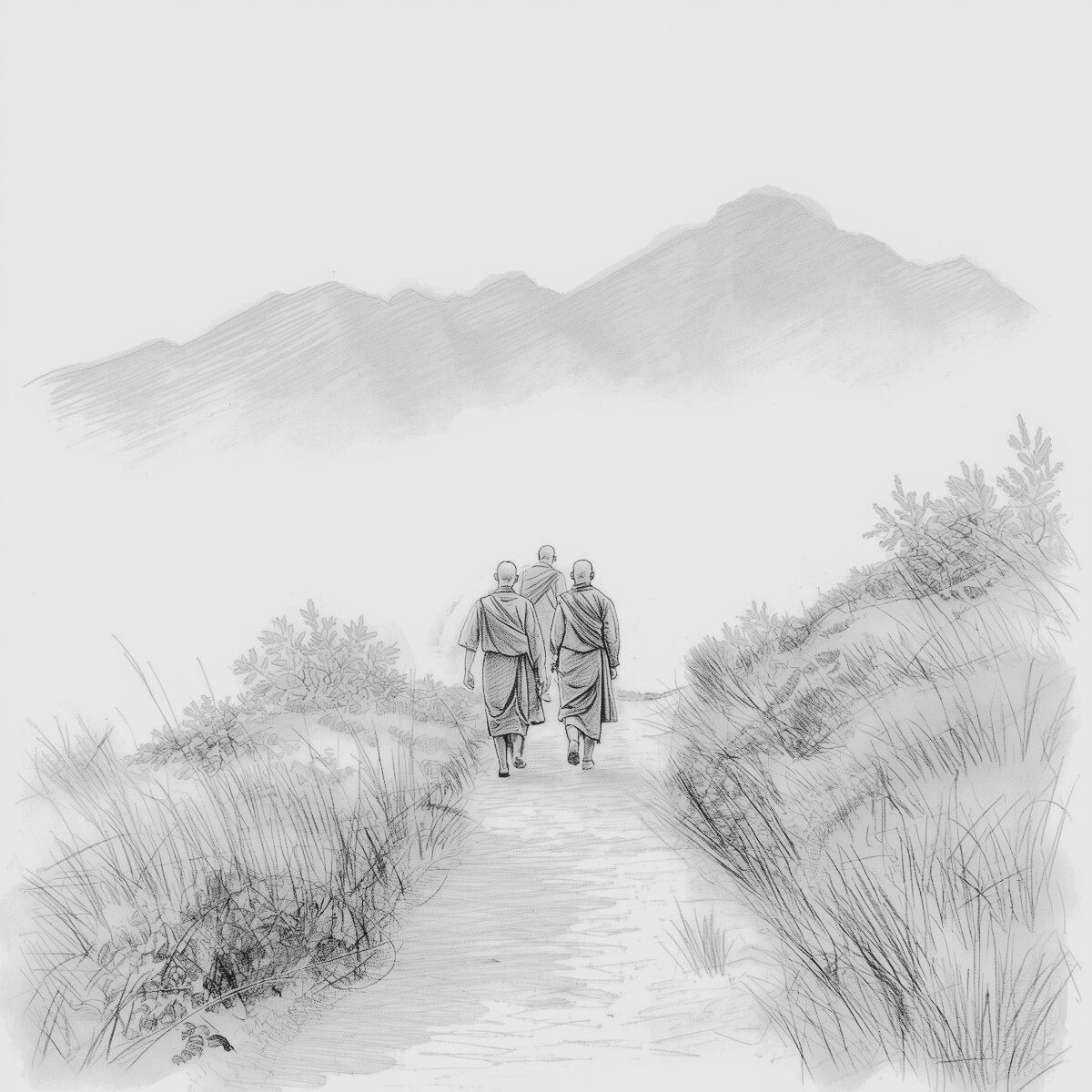
It was then that I met two monks. We met for the first time on that path— three strangers, walking toward the same destination, yet carrying very different inner worlds.
One monk followed the Vajrayāna tradition. The other walked the path of Mahāyāna. And I—I called myself neither monk nor follower. I was simply a seeker, trying to understand and feel myself.
Our destination was the same. Our practices were not.
“What matters more—the path or the destination? It is the journey, and who you are while walking it.”
Sometimes I joked to myself that I was the judge between two monks when conversations arose—not because one was right and the other wrong, but because each reflected a completely different way of seeing, living, and practicing.
Their smiles were effortless. Their struggles were visible. Even their moments of irritation carried honesty. I felt something familiar—as if an unfinished karma had gently returned to greet me.
When our paths separated, we bowed. We didn’t exchange names. We didn’t ask for addresses. We believed in karma. So we left the rest to the karma department.
Three Days of Walking Alone
The next three days, I walked alone. The path was stiff and unforgiving. My backpack was heavy. My pace was slow. And my mind—louder than the wind.
When you walk alone long enough, you begin to talk to yourself. Thoughts chatter endlessly—ideas, memories, plans, fears.
First came the past. Regrets. Mistakes. Good memories and painful ones— all storming the mind like they had been waiting for silence to arrive.
Then, suddenly, the past stopped. And the future attacked. Career. Dreams. Family. Purpose. Passion. Fear of loss.
I could not stop it. It went on for hours.
At midday, I stopped for lunch—alone in a vast, wild space. Mountains surrounded me. Cold air brushed my face. There, something shifted.
I imagined my backpack as my past—heavy, unchangeable. I imagined the mountain peak ahead as my future—beautiful, distant, uncontrollable.
And then I saw clearly: Neither the past nor the future was in my hands.
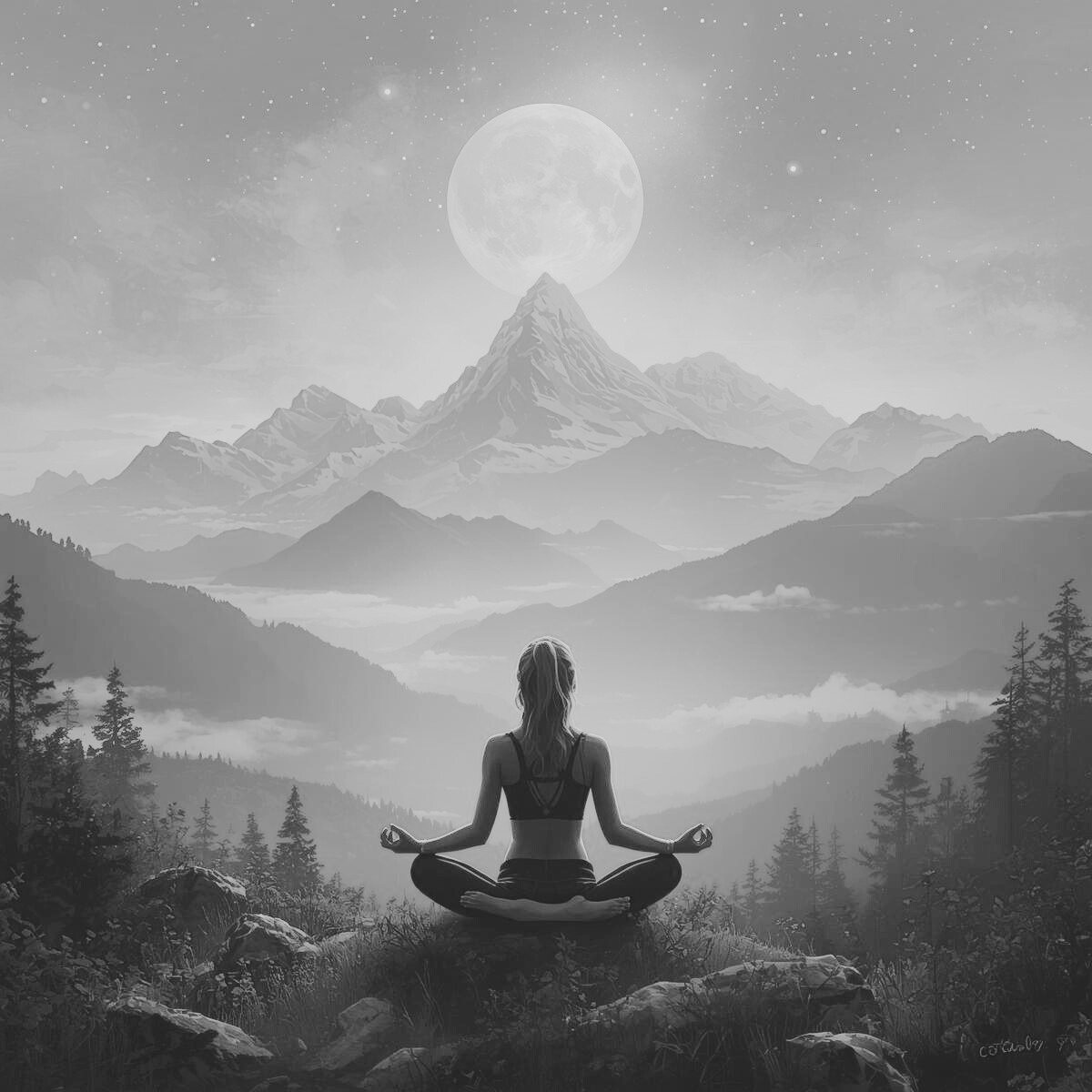
So I did the only thing left. I focused on my breath. Full inhale. Full exhale. And on each step.
“I disappeared. There was no pain. No effort. No struggle. Only movement. Only presence.”
At first, the mind wandered again. But when I poured all my energy into breathing and walking, something happened.
I disappeared. There was no pain. No effort. No struggle. Only movement. Only presence.
And I said to myself: “It is the breath I need to understand.”
The Day I Saw Mount Kailash
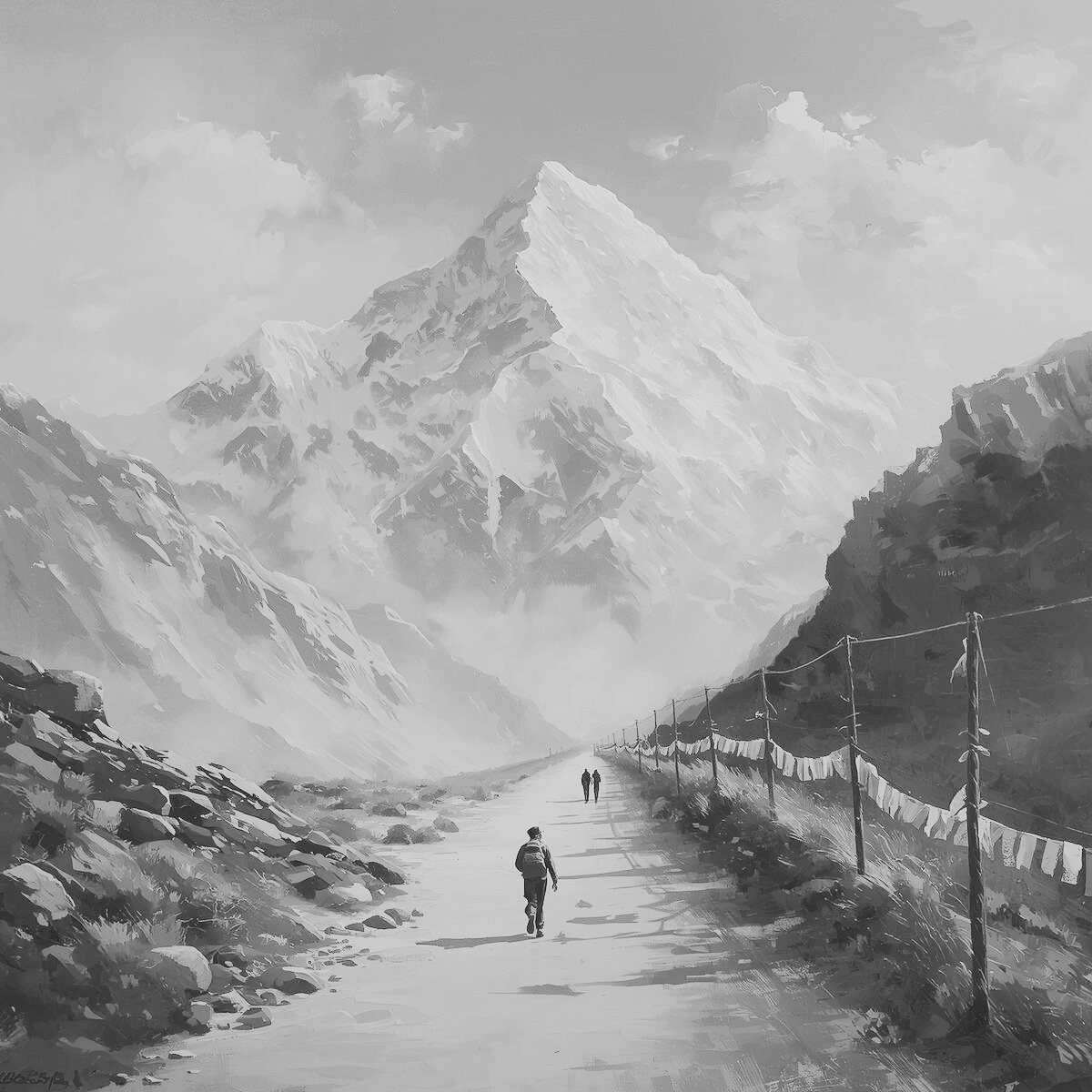
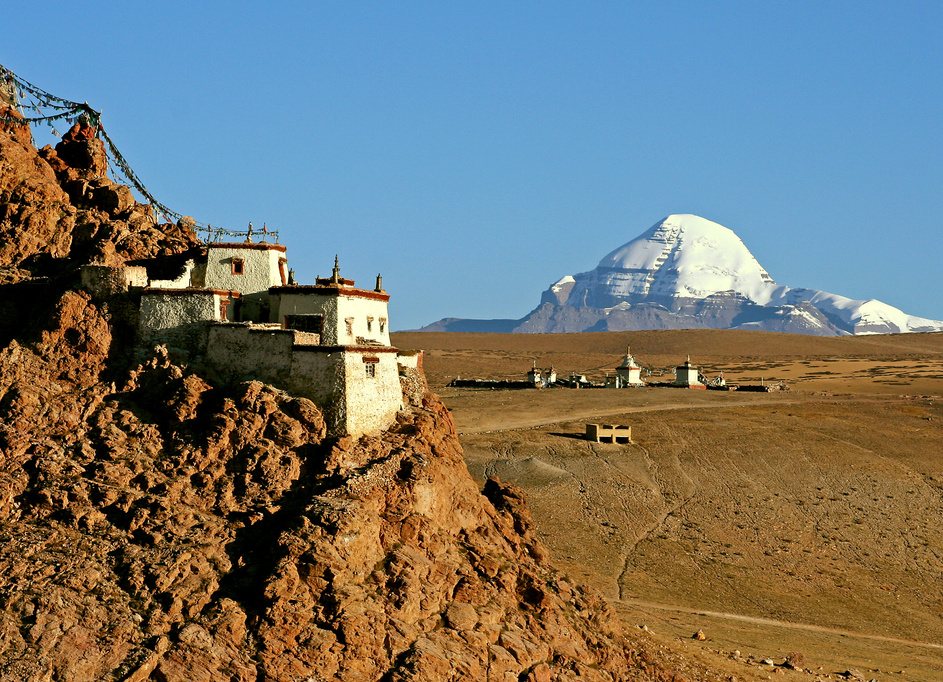
I still remember that day clearly. The long, lonely, windy path from Humla (Lapchi) toward Kailash. I didn’t know whether I was happy or sad—but the journey itself was teaching me something deeper than emotion.
The weather was unpredictable. Partly sunny. Suddenly cloudy. Snow in a blink. Sunlight in the next.
I set up my tent near the top of a hill where the wind never rested. I sat there, resting for half an hour, telling myself: “Kailash is there. It will wait.”
But karma plays its own role. When I reached the viewpoint, clouds covered the mountain. A heavy storm burst. I waited for fifteen minutes—then returned to my tent.
That day, I did not get darshan of Mount Kailash. And I learned something essential: No one is greater than nature. Nature does not wait for your convenience.
Because of my ignorance, I postponed the most important thing—thinking it would always be there.
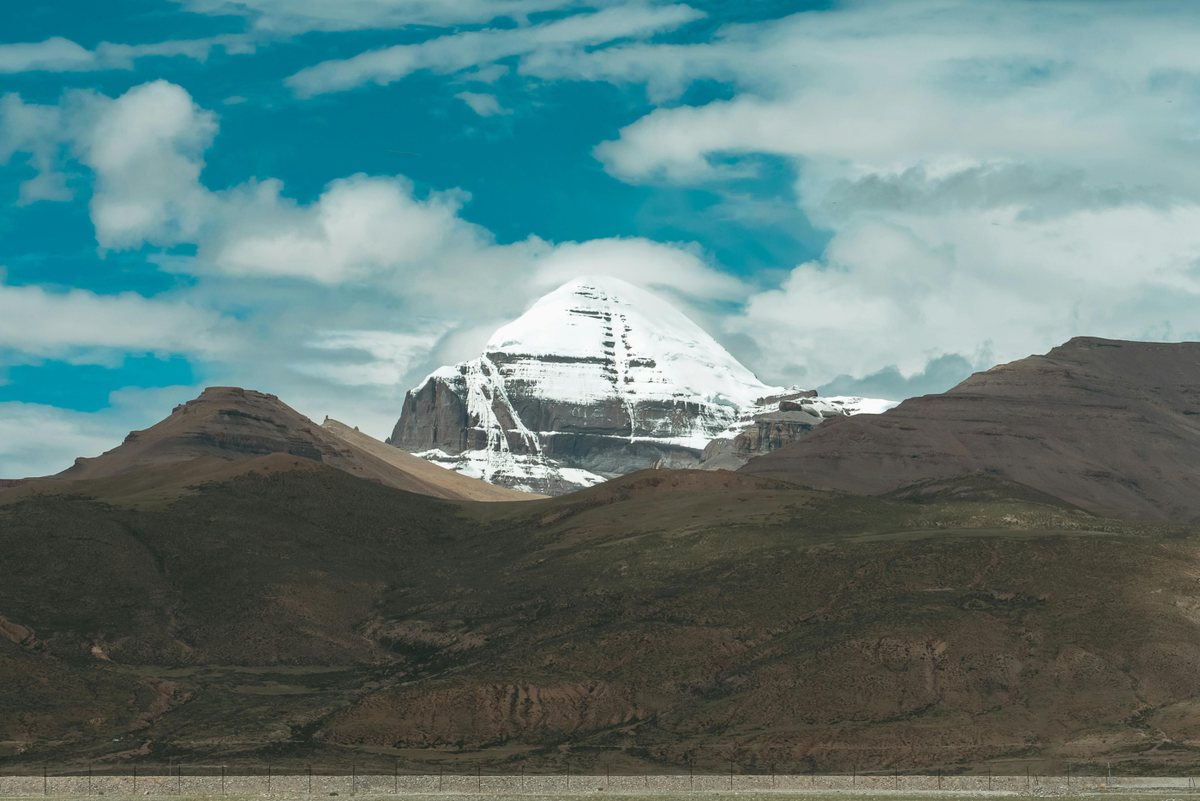
The next day, I waited patiently. For hours. And then—as if my prayer was heard—the clouds opened briefly.
Just long enough. I saw Kailash. And then it disappeared again.
“Do the most important thing first. Serve the moment before serving comfort.”
That moment taught me a lifelong lesson:
- Do the most important thing first.
- Serve the moment before serving comfort.
I walked toward Kailash, but what I met was myself. The mountain did not move. I did.
And in learning to walk, breathe, wait, and bow, life taught me without words.
…
Journal
“What software is running now? Sorrow, desire, or ignorance — or awareness?”