Sound, Frequency, and the Present
When the mind learns to listen — pages 62-72
Introduction — Everything Is Already Speaking
Before words, there was sound. Before thought, there was vibration. Before I learned to ask questions, something within me was already listening.
Sound is not something we hear. It is something we are inside.
Every breath enters with a rhythm. Every heartbeat carries a frequency. Even silence hums—if the mind stops interrupting it.
I once believed meditation was something to do. Later, I learned it was something to stop interfering with.
The present moment is not silent. The mind is just too loud.
The Present Mind Problem — Why We Are Rarely Here
The greatest difficulty of human life is not suffering. It is absence.
The body is here. The mind is elsewhere. Pulled by past regrets. Pushed by future fears. Caught in endless commentary.
From my own observation, I saw a pattern:
- Conflict in desire → confusion
- Confusion in desire → frustration
- Contradiction in desire → boredom
The breath continues, but the mind argues with it. All the air we breathe carries the same confusion when the mind is conflicted within itself. Not because breath is impure—but because attention is divided.
We do not suffer because of reality. We suffer because we are never fully present inside it.
Breath as Frequency — The Forgotten Layer of Existence
Breath is not just oxygen. It is energy entering the body. This layer is known as Prāṇamaya Kośa.
Breath moves in five subtle moments:
- Inhaling
- Holding
- Spreading through the body
- Exhaling
- Cleansing
These are not techniques. They are already happening.
In this layer, desire patterns are stored. Samskāras live here. Unfinished impressions breathe with us.
Desire itself is not the problem. Conflict within desire is.
When the breath flows without resistance, the mind softens. When the mind softens, the present reveals itself.
That day, walking alone toward Kailash, I finally understood: It is the breath I need to understand—not the mountain.
Sound and Vibration — AUM Within and Without
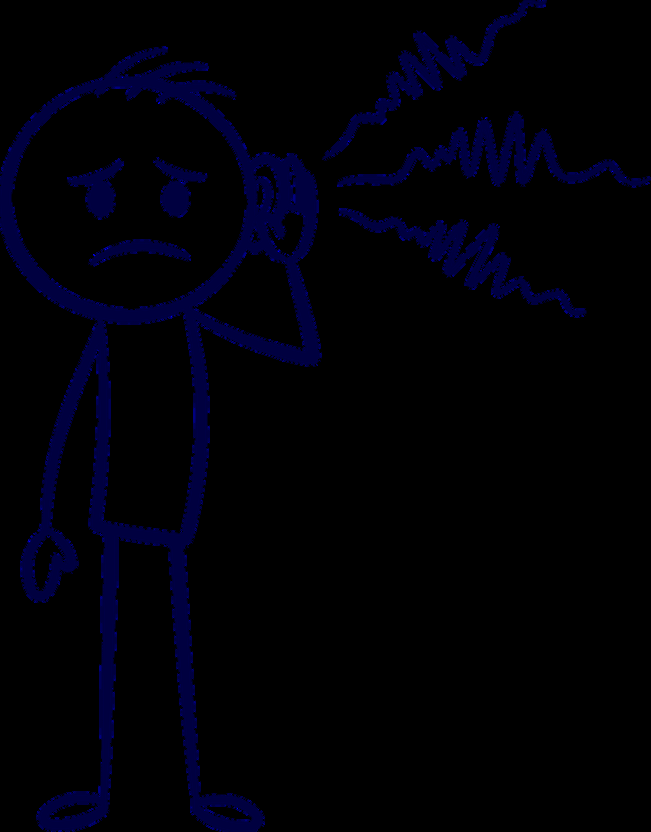
Sound is vibration. Vibration is movement. Movement is life.
AUM is not a chant. It is the signature of existence.
- Inhale—A (creation, the wave rises)
- Hold—U (preservation, the wave holds)
- Exhale—M (dissolution, the wave fades)
- Silence—that which remains
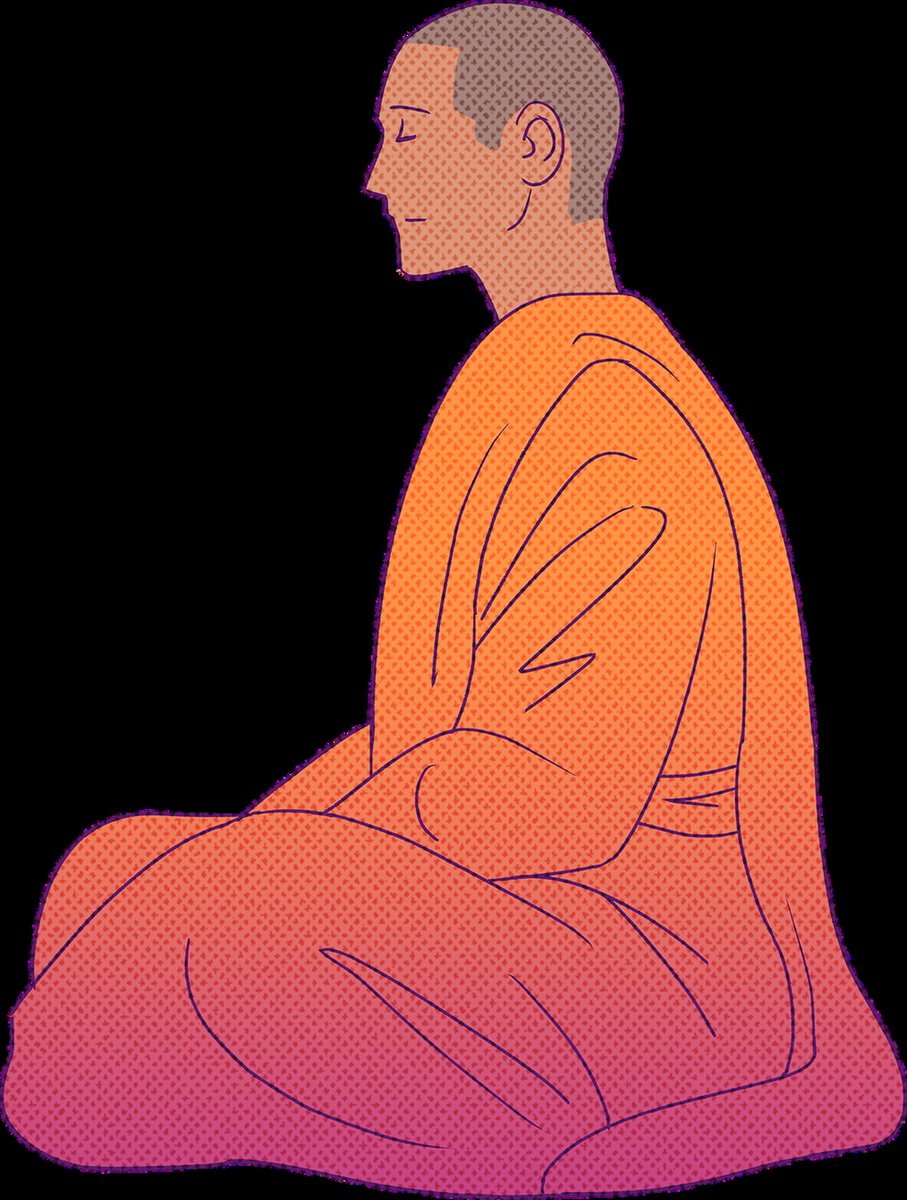
When attention rests on sound, thought begins to loosen. When thought loosens, presence emerges.
I realized something profound: Silence is not the absence of sound. It is the absence of resistance.
The world does not disturb meditation. The mind does.
Exercise of Conscious Control — The Only Power We Have
Whatever arises must express: Think this. Say this. Do this.
This is karma. There is no vacuum in the mind.
But between impulse and action there exists a gap. This gap is awareness. This gap is freedom.
Subconscious (samskāra) says: “Think this. Say this. Do this.” Conscious awareness asks: “Do I need to?”
Not control. Not suppression. Understanding.
“People act according to their nature. What self-control cannot do, clarity can.”
A cleaned mind focuses naturally. An uncleaned mind repeats endlessly.
Stop the Chattering — What Meditation Truly Is
Meditation is not sitting still. Meditation is remaining with what is without commentary.
Pure presence itself is Buddha.
When the mind stops naming, judging, correcting, escaping—what remains is direct awareness.
Appearances arise. Thoughts arise. They dissolve by themselves. No antidote is required. No object is needed.
As the teachings say: Samsara and nirvana are not two. The difference is attention.
When attention rests, sound becomes silence. Silence becomes fullness. Fullness becomes peace.
Living Frequency
I no longer chase quietness. I listen. I no longer force meditation. I allow presence.
The breath arrives. The sound vibrates. The moment lives itself.
And I remember: Life lives me. Its breath is mine.
Awareness in Daily Life — from Living Experience
Awareness is not something mystical. It is not a state achieved after years. It is already functioning—but unnoticed.
The First Moment and the Second Moment
In the first moment, awareness is natural. A sound arises. A thought appears. A feeling moves. This first moment is pure.
But immediately, the second moment arrives. The mind comments: “I like this.” “I don’t like this.” “This should not be happening.” “This reminds me of something.”
This is where dualistic thought begins.
If we can abide in the first moment, even briefly, there is equanimity. If we miss it, fear, desire, and suffering follow.
The enemy is not thought. The enemy is missing the first moment.
Seeing the Mind Like a Child
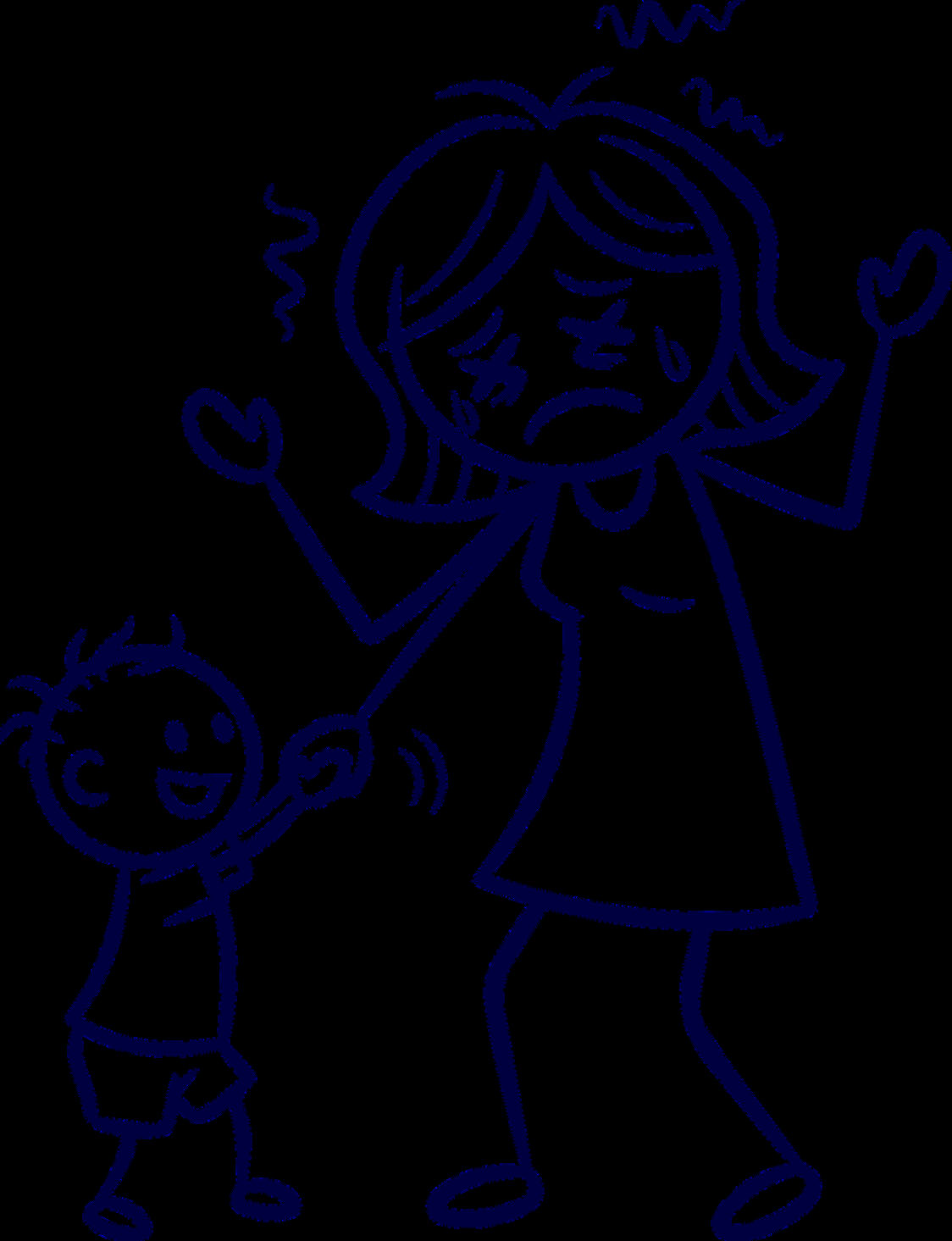
The mind behaves like a child. If you shout at a child, it resists. If you ignore it completely, it misbehaves. If you watch it gently, it settles.
Awareness does not fight the mind. It watches.
When I stopped trying to correct every thought, the mind began to slow down on its own. Just like a child who feels seen and present.
Subconscious Instructions
Much of our life runs on hidden instructions. From the subconscious comes: “Think this,” “Say this,” “Do this.” These are samskāras. They are not evil. They are simply stored patterns.
The problem is not that they arise. The problem is when we obey them unconsciously.
Awareness does not block them. It pauses. In that pause, karma changes direction.
Concentration Is Not Force
There are three kinds of concentration I observed:
- Childlike concentration—natural, playful, effortless
- Analytical concentration—differentiating, labeling, understanding
- Natural concentration of awareness—no object, no effort, just presence
The third is not something we create. It appears when we stop interfering. Meditation is not narrowing the mind. It is letting it rest in its own nature.
Sound as an Anchor
When thoughts became too many, I did not fight them. I listened. To wind. To footsteps. To breath.
Sound does not argue. It arrives and leaves. When awareness rests in sound, the mind forgets to chatter. Not because it is controlled—but because it is fulfilled.
The Mirror of Others
I learned not to use others as windows to judge, but as mirrors to observe myself.
When irritation arises, it reveals attachment. When admiration arises, it reveals desire.
Awareness does not blame the object. It studies the reaction. In this way, every encounter becomes practice.
Don’t make a prison to your happiness. Saying I go there, I will find peace, my life fulfillment. You are just caging your so-called peace, happiness by creating a mental prison. Be free of it.
Samsara Is Not Outside
Samsara is not the world. It is the unexamined movement of the mind.
The same sound, the same place, the same person—can be bondage or freedom. The difference is not circumstance. It is awareness.
Meditation Without Meditation
I finally understood: Meditation is not sitting. Meditation is not posture. Meditation is not even breath. Meditation is not leaving the present moment.
When awareness remains, attachments dissolve by themselves. Positive and negative disappear into spaciousness.
As written in the teachings: There is no fine distinction between samsara and nirvana. Only attention.
Awareness is not added to life. It reveals life as it already is.
Breath continues. Sound vibrates. Thoughts rise and fall. And slowly, without effort, presence begins to live itself.
Journal
“What software is running now? Sorrow, desire, or ignorance — or awareness?”